Tracing Networked Reward Pathways Across Reel Systems, Live Interactions, Sports Markets, and Access Levels
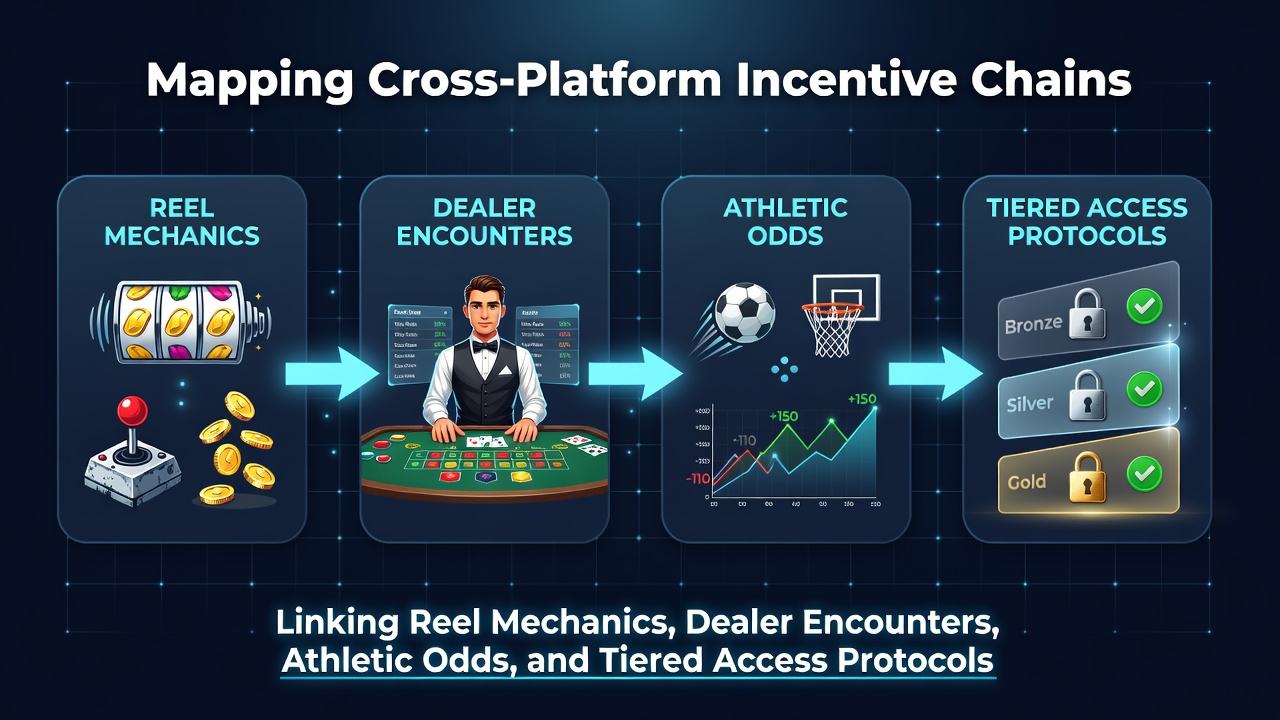
Cross-platform incentive chains operate by connecting reel mechanics in slot environments with dealer encounters in live settings, athletic odds in sports markets, and tiered access protocols that govern user progression. These linkages allow points earned from one activity to influence eligibility or multipliers in others, creating continuous flows of rewards rather than isolated events. Observers note that such architectures emerged as operators expanded digital offerings to maintain engagement across multiple formats simultaneously.
Core Components of Reel-Based Triggers
Reel mechanics generate base incentives through symbol combinations and progressive meters that accumulate value over sessions. When a player achieves a threshold on reels, the system automatically credits transferable tokens that apply to live dealer tables or sports wagers. Data from platform analytics indicates these triggers often reset daily while preserving accumulated tiers, allowing momentum to carry forward without requiring separate logins for each category. Researchers at gaming technology firms have documented how specific reel features, such as expanding wilds or bonus rounds, feed directly into unified ledgers used by other modules.
Integration with Dealer Encounter Protocols
Dealer encounters incorporate the same token pools through real-time synchronization, where a completed reel bonus unlocks table-specific multipliers during live sessions. Systems route these rewards automatically when a user switches from slots to a dealer-hosted game, preserving the chain without manual claims. Studies conducted by European gaming laboratories show that this linkage increases session duration across categories because participants receive visible progress indicators that span both automated and interactive play. What's interesting here is how the architecture avoids fragmentation by treating dealer outcomes as extensions of the initial reel activity rather than standalone events.
Athletic Odds and Cross-Format Transfers
Athletic odds markets receive incentives through the same unified tracking when reel or dealer results meet predefined criteria. A user who reaches a reel milestone might gain boosted odds on select sports lines, with the adjustment applied instantly via the shared protocol. Figures released in industry reports from mid-2026 reveal that operators in multiple jurisdictions implemented these transfers at scale following updates to backend systems. The connections function bidirectionally as well, since successful sports outcomes can retroactively enhance reel or table features for the same account holder.
Tiered Access as the Connecting Framework
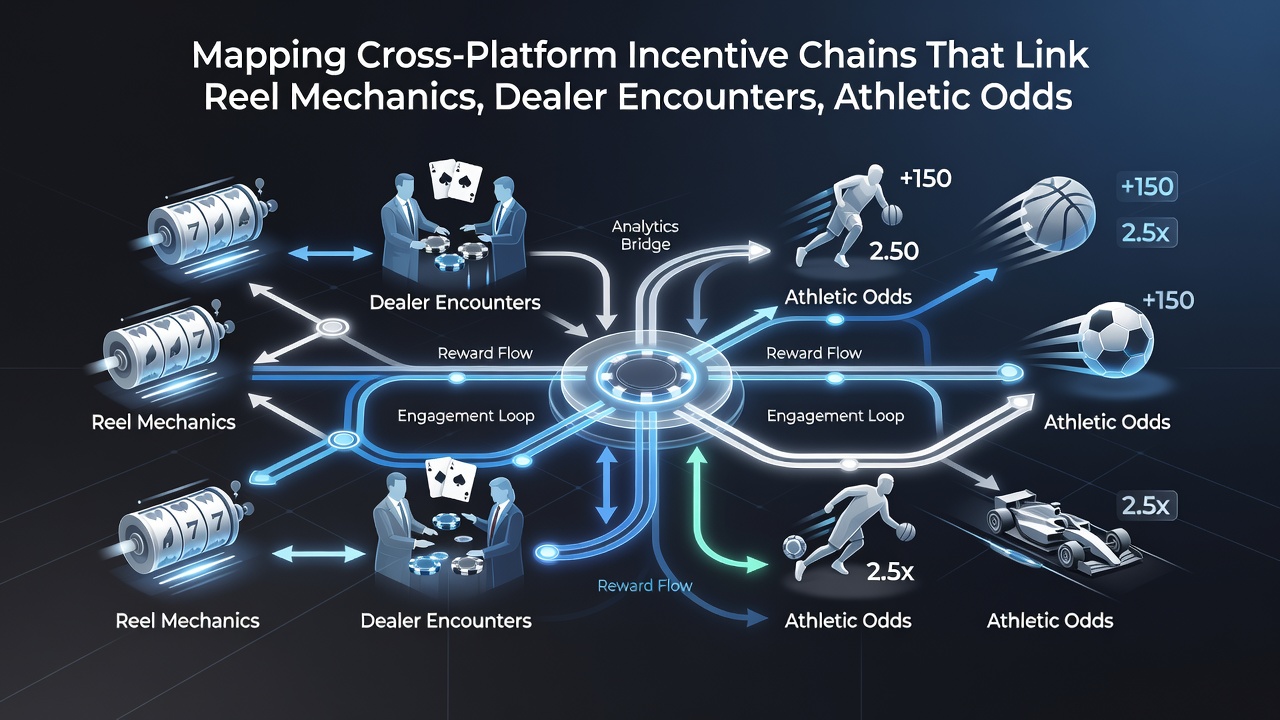
Tiered access protocols serve as the structural backbone that determines how far incentives propagate. Higher tiers unlock additional transfer rates between reel mechanics and dealer encounters while also expanding the range of athletic odds eligible for boosts. According to a 2026 analysis prepared by the University of Nevada gaming research group, tier advancement depends on combined activity volume rather than isolated metrics, ensuring that participation in any linked category contributes to overall status. This design creates measurable pathways where lower-tier users gain incremental access as their cross-format activity accumulates.
Technical Mapping of Data Flows
Mapping these chains requires tracing API calls that pass reward data between distinct modules. Reel outcomes generate event logs that feed into a central engine, which then distributes applicable credits to dealer interfaces and sports betting engines based on current tier status. External audits of such systems, including those referenced in reports from the European Gaming and Betting Association, confirm that latency remains under one second for most transfers when platforms maintain synchronized databases. Observers have noted that June 2026 updates standardized certain data fields across operators, facilitating more reliable chain execution during peak traffic periods.
Examples of Active Implementations
One documented case involves platforms where reel jackpots trigger temporary dealer table entry for non-tiered users, converting the win into live interaction credits. Another implementation routes athletic odds adjustments directly from dealer session totals, allowing participants to apply table results toward sports market enhancements within the same hour. These examples illustrate how the architecture treats each component as a node in a larger network instead of independent products.
Conclusion
The mapping of cross-platform incentive chains reveals a deliberate interconnection among reel mechanics, dealer encounters, athletic odds, and tiered access protocols. Data flows and tier calculations operate continuously to move value between categories, supported by backend systems that record activity across all formats. Reports from 2026 highlight ongoing refinements to these linkages as operators adapt to expanded digital participation. This structure maintains consistent reward delivery while preserving the distinct characteristics of each gaming element.