Tiered Reward Systems Shaping Bonus Distribution Across Mobile Casino Platforms
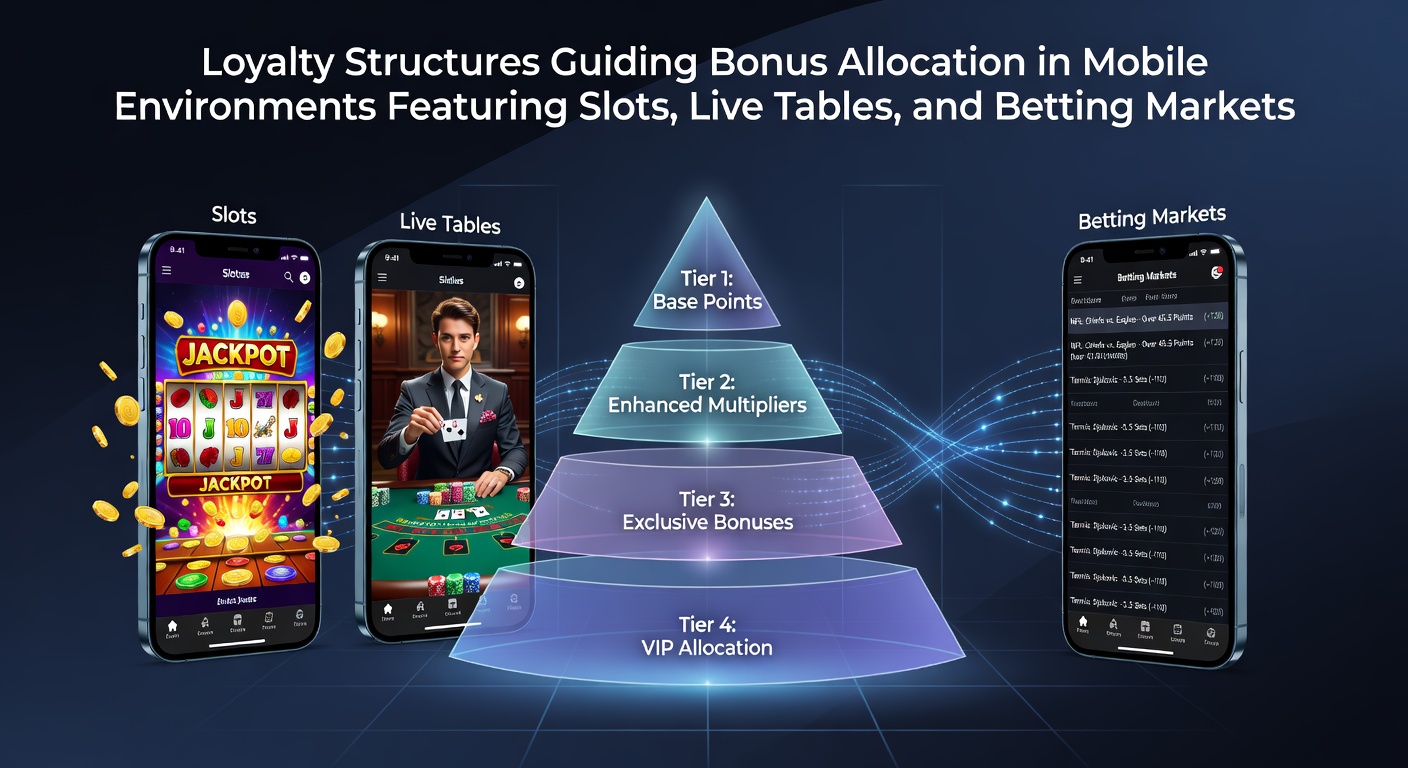
Modern mobile casino environments rely on structured loyalty programs to allocate bonuses based on player activity across slots, live tables, and betting markets, with systems tracking engagement metrics such as wager volume and session frequency to determine reward tiers. Operators implement these frameworks to distribute incentives including free spins, cashback percentages, and deposit matches while maintaining compliance with regional regulations.
Data from industry reports in May 2026 indicates that mobile platforms account for over 70 percent of total casino activity in several markets, prompting loyalty structures to prioritize seamless integration between game categories. Points earned from slot spins typically convert at fixed rates, whereas live table contributions and sports wagers receive multipliers depending on the operator's algorithm, allowing higher-tier players to unlock accelerated bonus pools.
Core Mechanics of Point Accumulation and Tier Progression
Loyalty systems assign points through predefined formulas where slot play generates base units per spin, live dealer sessions add value based on average bet size, and betting markets contribute according to odds volatility and stake levels. Players advance through bronze, silver, gold, and platinum tiers when cumulative points reach thresholds, unlocking tier-specific bonuses that scale with activity across all three categories. Researchers at the Australian Gambling Research Centre have documented how these progressions encourage balanced participation rather than concentration in one game type.
Algorithms adjust allocations dynamically, factoring in recency of play and cross-category engagement, so a user active in both slots and live tables might receive combined bonuses unavailable to single-category participants. This approach maintains equilibrium in bonus distribution while supporting operator revenue models.
Mobile-Specific Features Influencing Allocation
Mobile interfaces deliver real-time notifications about point milestones and bonus eligibility, reducing latency between activity and reward activation compared with desktop systems. Push alerts inform users when tier upgrades unlock new allocation rates, such as elevated cashback on live table losses or boosted odds in betting markets. Payment gateways integrated into these apps facilitate instant bonus redemption, linking loyalty tiers directly to deposit and withdrawal flows.
Figures from the Nevada Gaming Control Board show mobile loyalty programs processed millions of bonus transactions monthly by early 2026, with allocation patterns favoring players who diversify across slots, tables, and wagers. Operators employ geolocation verification to ensure compliance, preventing bonus misuse while preserving access for eligible users.

Comparative Allocation Across Game Categories
Slots often serve as the primary point generator due to high spin volume, yet live tables receive weighted multipliers because of slower pace and strategic elements, while betting markets contribute through margin-based calculations tied to event outcomes. A player reaching gold tier might see slot bonuses capped at certain volumes, whereas live dealer and sports allocations expand proportionally to maintain overall engagement balance. Studies from the European Gaming and Betting Association reveal that such weighted systems increase retention rates when bonuses align with individual play patterns across categories.
Seasonal campaigns in May 2026 adjusted these weights further, introducing temporary boosts for underutilized segments like live tables during major sporting events, thereby redistributing bonus flows without altering base tier structures.
Regulatory Oversight and Transparency Measures
Regional authorities require operators to publish clear terms for loyalty allocations, including point conversion rates and bonus expiry conditions, ensuring players understand how activity in slots, live environments, and betting markets translates to rewards. Independent audits verify that algorithms apply consistently, preventing preferential treatment within tiers. Observers note that transparent reporting helps sustain trust in mobile ecosystems where bonus allocation influences spending decisions.
Industry organizations emphasize ongoing monitoring of allocation fairness, particularly as mobile technology evolves to include personalized offers derived from cross-category data analytics.
Conclusion
Loyalty structures continue to guide bonus allocation through integrated tracking of slots, live tables, and betting markets on mobile platforms, supported by tiered progression and category-specific weighting. Reports from May 2026 confirm sustained growth in these systems alongside regulatory frameworks that prioritize clarity and consistency. Operators maintain these models to align incentives with player behavior while meeting compliance standards across jurisdictions.