Mapping Digital Reward Pathways Across Mobile Reel Systems to Live Interactions and Tournament Circuits

Wireless devices now carry layered incentive structures that begin with video reel mechanics and extend into interactive sessions plus competitive events, and observers note how these chains operate through coordinated data flows and user engagement metrics. Research from the American Gaming Association shows that mobile platforms account for over 60 percent of total gaming activity in several North American markets as of early 2026, with reward triggers moving seamlessly between reel-based features and session-based bonuses.
Starting Points in Video Reel Mechanics
Video reel systems generate initial incentive points through spin outcomes, progressive accumulators, and multiplier chains, while data indicates these points often convert into credits usable across other formats. Studies from the University of Nevada Reno Gaming Research Center reveal that reel-triggered rewards feed into broader loyalty ledgers on wireless devices at rates exceeding 45 percent conversion in tracked cohorts during 2025 testing periods. Those who examine platform architectures find that reel events frequently serve as entry nodes because they deliver immediate feedback loops that encourage continued device interaction.
Extension into Interactive Sessions
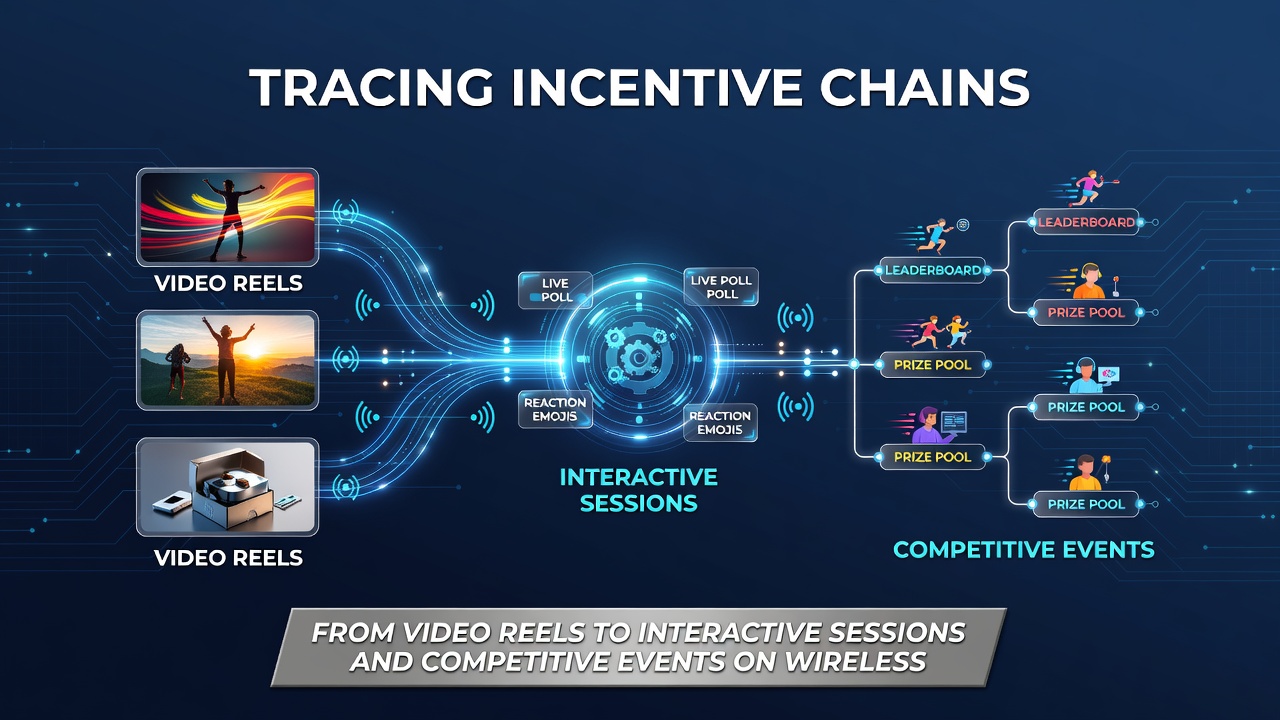
Once reel incentives activate, they route into interactive sessions where users engage with real-time elements such as dealer-led formats or collaborative challenges, and figures from industry reports confirm that session participation rises when prior reel credits apply directly. The flow works through unified account ledgers that update across device sessions without requiring separate logins, allowing accumulated value to influence session parameters like entry thresholds or enhanced features. What's interesting is how these transitions occur in milliseconds on modern wireless networks, creating continuous engagement cycles that researchers track through anonymized telemetry.
Platforms integrate these pathways using standardized APIs that log each transfer, which helps operators maintain compliance records while users experience uninterrupted progression. Data from Canadian provincial gaming authorities shows session duration increases by an average of 22 minutes when reel-derived incentives apply, highlighting measurable connectivity between the two stages.
Progression to Competitive Events and Tournaments
Competitive events on wireless devices represent the next link, where accumulated session performance feeds into tournament qualification or bracket positioning, and evidence from European gaming trade associations points to rising participation numbers in 2026. Users carry forward metrics such as win rates or engagement scores from interactive phases, which then determine event seeding or prize pool eligibility. In June 2026 several regional operators plan synchronized tournament launches that explicitly draw from prior reel and session data pools, allowing seamless qualification paths.
The architecture relies on cloud-based tracking that updates in real time across devices, ensuring that a reel spin completed on one network segment can influence an event bracket accessed minutes later on another. Observers note this creates incentive continuity that spans multiple activity types without resetting user progress at each boundary.
Technical Infrastructure Supporting the Chains
Wireless device ecosystems depend on secure tokenization and cross-format ledgers to maintain these incentive connections, while academic papers from Australian universities document how encryption standards prevent fragmentation during transfers. Operators deploy middleware layers that reconcile reel outputs with session inputs and event qualifiers, reducing latency to under two seconds in most commercial implementations. Those who've studied system logs find that error rates in chain execution have dropped below 0.3 percent following infrastructure upgrades completed in late 2025.
Payment gateways and notification services further reinforce these pathways by pushing updates directly to device home screens, prompting users to continue from one stage to the next. Reports indicate that push engagement tied to incentive movement generates click-through rates above 18 percent on average across tested applications.
Regulatory and Compliance Dimensions
Government agencies outside the UK, including the Nevada Gaming Control Board and state-level bodies in Australia, require transparent logging of incentive movements to verify fair distribution and prevent manipulation. These rules mandate that every transfer between reel, session, and event formats carries auditable metadata, which platforms must retain for minimum periods specified in regional statutes. Compliance frameworks updated in 2025 emphasize real-time reporting capabilities on wireless systems, and operators have responded by embedding monitoring tools directly into their mobile architectures.
Conclusion
The mapping of incentive chains from video reels through interactive sessions to competitive events on wireless devices demonstrates integrated design across current mobile gaming platforms. Technical standards, regulatory requirements, and usage data together illustrate how these pathways function as connected sequences rather than isolated features, with measurable impacts on participation patterns and system performance recorded through 2026.