Loyalty Ecosystems Linking Live Dealer Action to Sports Betting and Slot Drops via Instant Mobile Transfers
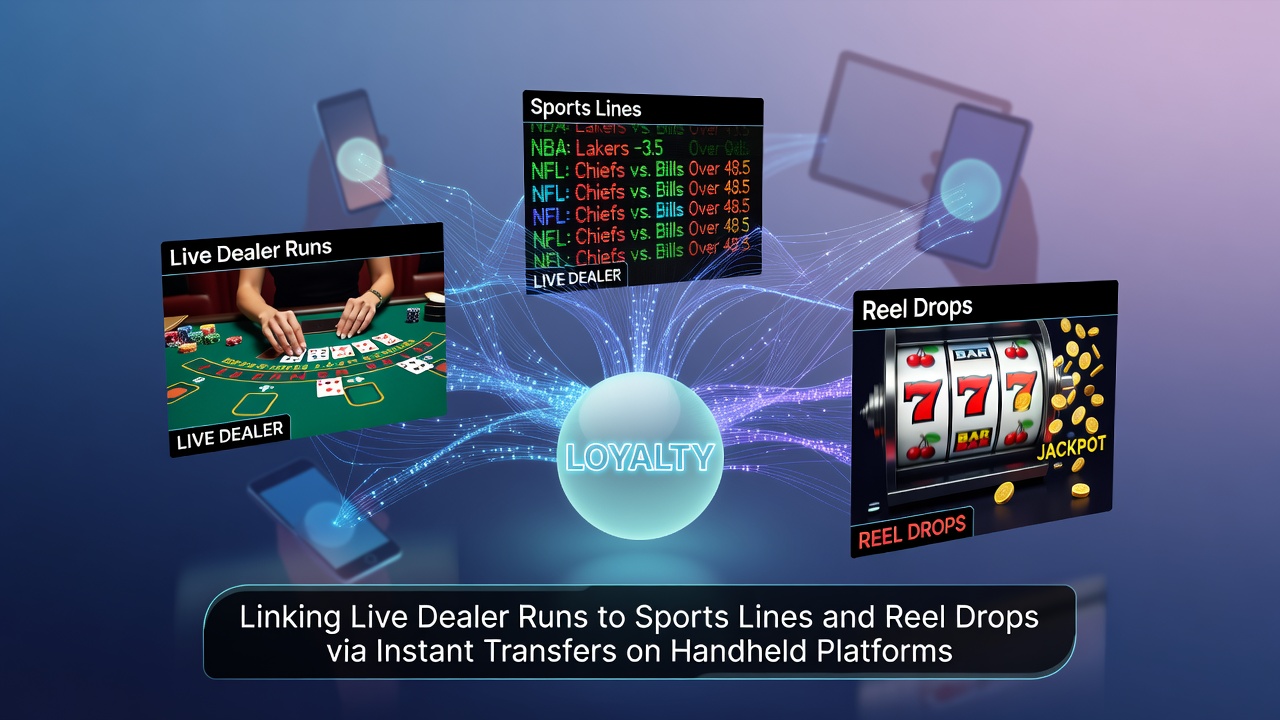
Integrated loyalty frameworks now connect live dealer sessions, sports wagering lines, and slot reel mechanics through rapid transfer systems on handheld devices, allowing points earned in one area to convert directly into bonuses or credits in others. These structures operate across multiple platforms where users engage with real-time dealer interactions, competitive betting markets, and automated reel sequences while managing balances via instant transaction layers.
Data from industry monitoring indicates that such interconnections increased during the first half of 2026, with several operators expanding mobile capabilities to handle cross-category redemptions. Transfers occur through secure application interfaces that update accounts in seconds, reducing the separation between different gaming formats and enabling continuous participation without manual intervention at each step.
Mechanics of Cross-Category Point Transfers
Operators deploy unified tracking databases that assign value to activities across live dealer tables, sports markets, and slot progressions, then route those values through mobile payment processors for immediate application. A user completing a live dealer sequence might see accumulated points appear as enhanced odds on a linked sports market or as additional spins on a progressive reel within the same session. The process relies on standardized application programming interfaces that synchronize across operating systems used by major handheld manufacturers.
Studies conducted by the European Gaming and Betting Association have documented how these systems reduce friction between categories, with transaction logs showing average completion times under eight seconds for most transfers. Handheld platforms facilitate the flow because they maintain persistent connections to both gaming servers and financial gateways, allowing operators to adjust loyalty tiers dynamically based on combined activity levels.
Integration Patterns Between Dealer Runs and Sports Lines
Live dealer environments generate points through extended play sequences that operators then route toward sports betting interfaces on the same mobile application. A participant who logs extended time at a dealer-managed table can trigger automatic offers that adjust sports line pricing or provide stake multipliers. These linkages appear in platform dashboards where users view unified progress meters that reflect contributions from both dealer-based rounds and subsequent sports selections.
Platform updates rolled out around July 2026 introduced additional synchronization layers that align dealer session durations with live sports event schedules, creating windows where points transfer at accelerated rates during overlapping peak periods. Observers note that such timing alignments encourage users to shift between formats without exiting the application, maintaining engagement across the loyalty structure.
Connections to Reel Drop Mechanisms
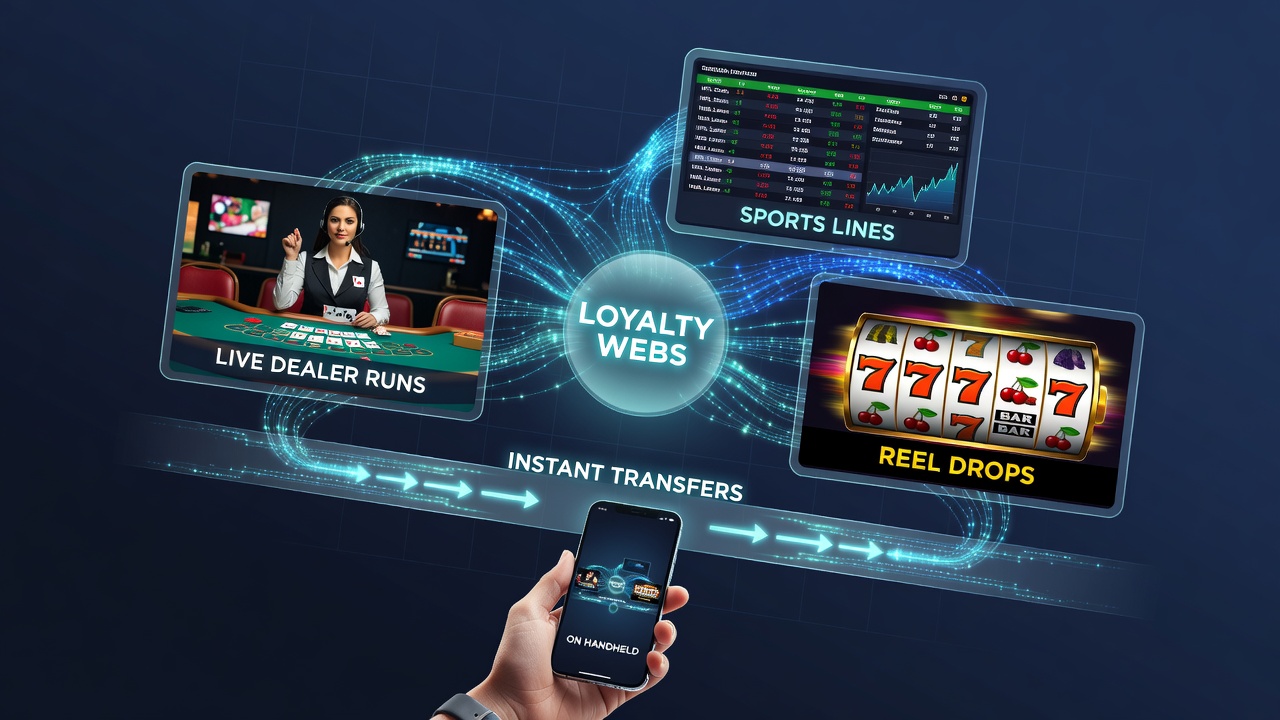
Slot reel systems feed into the same loyalty architecture by awarding points based on sequence outcomes that operators then redirect toward dealer sessions or sports positions. A significant reel alignment can generate credits that convert directly into table entry stakes or line adjustments, with the handheld device handling the conversion through embedded wallet functions. This creates pathways where reel activity influences decisions in other categories without requiring separate account navigation.
Research published by the University of Nevada, Reno gaming research center has tracked how these reel-to-table linkages affect overall session lengths, showing that users who utilize instant transfer options tend to maintain activity across multiple formats rather than focusing on isolated reel sequences. The data indicates measurable increases in cross-format participation when transfer times remain under ten seconds.
Platform Requirements and Security Protocols
Handheld applications must support real-time encryption and multi-factor verification to handle the volume of loyalty transfers without interruption. Regulatory frameworks in several jurisdictions require operators to maintain separate audit trails for each category while still permitting unified point calculations, a balance achieved through segmented database architecture. Developers have incorporated biometric confirmation steps that activate only during larger transfers, preserving speed for routine point movements.
Operators report that mobile-first designs now account for the majority of loyalty activity, with desktop versions serving primarily as secondary access points. This shift aligns with broader patterns where users expect seamless movement between dealer interactions, sports selections, and reel progressions within a single application environment.
Conclusion
Loyalty ecosystems continue to evolve through tighter integration of live dealer runs, sports betting lines, and slot reel drops, supported by instant transfer capabilities on handheld platforms. These frameworks rely on synchronized databases and rapid transaction processing to maintain continuity across categories. Ongoing platform refinements, including those implemented near July 2026, demonstrate how operators adapt technical infrastructure to support unified reward structures while meeting security and regulatory standards across different regions.