Global Payment Networks Powering Tiered Access to Slots, Live Dealers, and Sports Markets
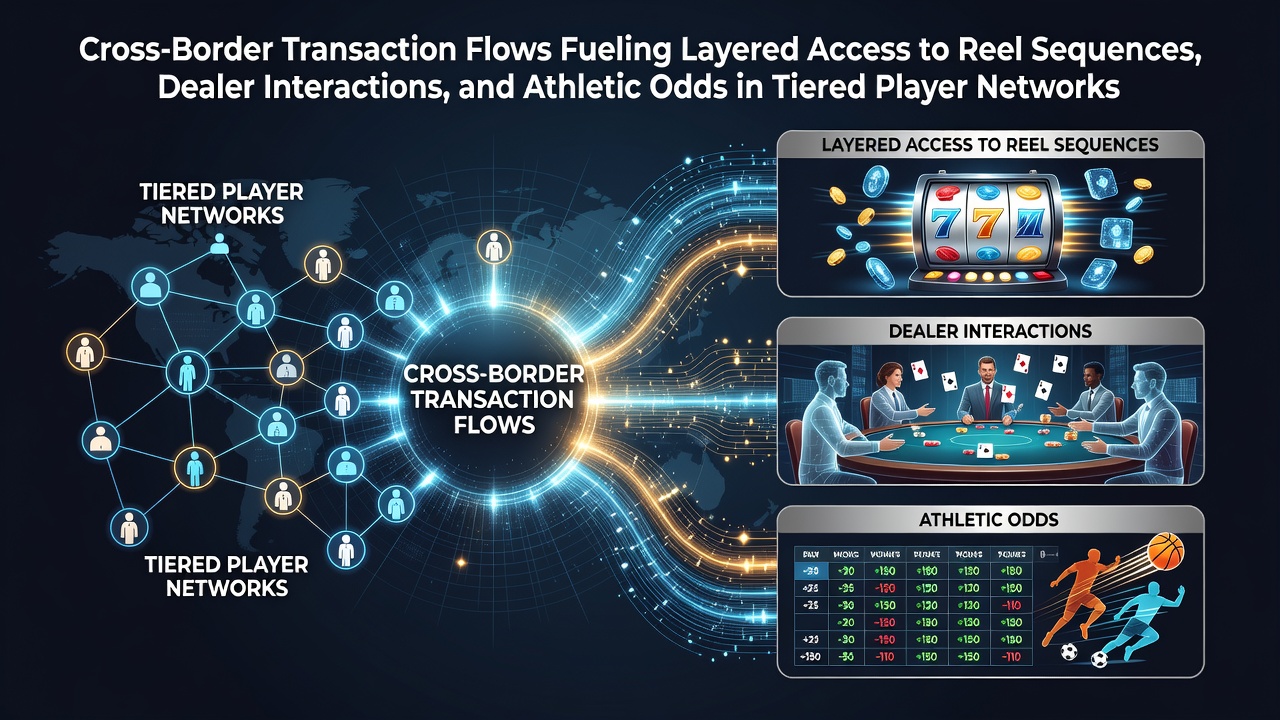
Cross-border transaction flows have become central to how tiered player networks operate across digital gaming platforms, connecting users in multiple regions to reel sequences, dealer interactions, and athletic odds through structured loyalty systems. These networks rely on international payment channels that process funds from diverse jurisdictions, allowing participants to climb access levels based on activity volume and deposit patterns.
Mechanics of International Fund Movements in Gaming Ecosystems
Data from payment processors shows that cross-border transactions in the gaming sector often involve multi-currency conversions and real-time settlements, which support the layered structures of player programs. Observers note that these flows enable seamless entry into higher tiers where participants gain expanded options for slot sequences with progressive features, direct engagement with live dealer tables, and competitive lines on athletic events. Studies from financial technology research groups indicate that transaction speeds under two seconds have become standard in many systems, reducing friction for users moving between regions.
One researcher who tracked payment patterns across European and Asian markets found that operators integrate multiple gateways to handle regulatory differences, ensuring that funds from one country can unlock rewards tied to another market's offerings. This setup creates pathways where initial deposits trigger eligibility for reel bonuses, while sustained activity across borders elevates status toward private dealer sessions and premium sports markets.
Layered Access to Reel Sequences Through Cross-Border Channels
Tiered networks use transaction volume thresholds to grant progressive access to reel sequences, where higher levels unlock exclusive game variants and multiplier structures. Figures from industry reports reveal that international deposits frequently account for significant portions of the activity required to reach these thresholds, particularly in platforms that aggregate content from global suppliers. Players in lower tiers start with standard sequences, yet sustained cross-border inflows push them into segments featuring advanced mechanics and shared jackpot pools.
Dealer Interactions and Athletic Odds in Elevated Network Levels
Access to dealer interactions expands once transaction histories demonstrate consistent international movement, opening live tables with regional rule variations and multi-player formats. Research indicates that these same flows also feed into athletic odds markets, where tier status determines availability of niche events and enhanced odds structures. Data from the International Association of Gaming Regulators highlights how payment verification processes in different jurisdictions influence the speed at which users progress through these layers.
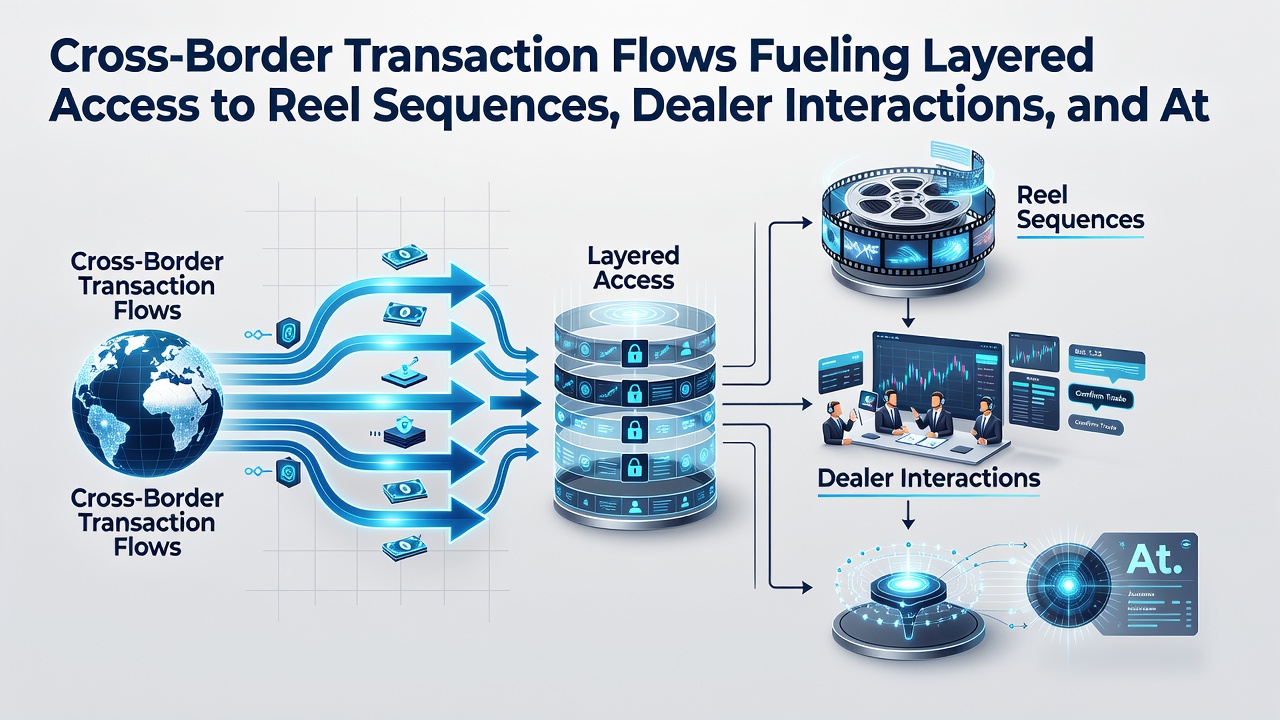
Those who've examined player behavior patterns across continents observe that athletic odds often serve as the final access point in many networks, activated only after prior engagement with reels and dealers has been verified through cross-border records. This sequencing creates a structured progression that operators maintain through automated monitoring of fund origins and volumes.
Regulatory Developments Shaping Transaction Pathways in 2026
June 2026 marks a period when several regulatory bodies outside the UK plan to release updated guidelines on cross-border payment transparency for gaming operators. Authorities in Australia and Canada have scheduled reviews that focus on how international flows intersect with tiered access systems, requiring enhanced reporting on deposit sources and player progression metrics. These updates build on existing frameworks that already mandate verification steps before funds can unlock advanced reel sequences or dealer tables.
Evidence from academic studies at institutions such as the University of Nevada suggests that clearer rules on transaction documentation help stabilize the networks while preserving access for legitimate users across borders. Operators adjust their systems accordingly, integrating tools that track multi-jurisdictional activity without disrupting the flow from basic slots to premium sports markets.
Conclusion
Cross-border transaction flows continue to underpin the architecture of tiered player networks, directly supporting expanded access to reel sequences, dealer interactions, and athletic odds. As regulatory landscapes evolve through 2026, the mechanisms that connect these elements remain grounded in verifiable payment data and structured progression rules across global platforms.